
Opinion & analysis
SavePoint Codex XBOX Character Bust Wallpaper
Welcome to SavePoint Codex. Whether you found the site on your own or someone sent you a link, you’ve arrived right at the beginning, and I’m glad you’re here.
I’m Brian (7BitBrian), and with the release of our first issue of SavePoint Codex Magazine, we’re beginning the publication’s soft launch. There’s still plenty of work ahead, but this feels like the right time to open the doors, introduce what we’re building, and explain the standards that will guide it.
Starting Quietly
For now, we’re publishing without a broader promotional push. We’re looking toward a wider launch in 2027, with the timing guided by how the work develops.
For me, being ready means finding the right balance: a comfortable publishing rhythm, a workflow that makes sense, and work that consistently meets our standards. We need to maintain that quality without running ourselves into the ground. A particular number of reviews or magazine issues won’t tell us we’ve reached that point.
The only way to find that balance is to start publishing. Putting each issue and article together will show us how much time things take, where we need to make adjustments, and what we can realistically keep up with. Our editorial standards apply from the beginning; the soft launch gives us time to establish a sustainable way of meeting them.
That matters because the kind of publication I want to make needs room for thoughtful work.
The kind of coverage I want to read
I miss sitting down with a gaming magazine and spending time with its articles, previews, and editorials. I enjoyed having something substantial to read, with room to explore a game or an idea in detail.
I’ve also become frustrated with how much gaming coverage seems caught up in the pressure to publish immediately. Too often, I find myself reading about an unconfirmed claim before there’s enough information to understand what actually happened. Then the conversation moves on to the next rumor. It can feel like being first matters more than getting the story right.
There are publications doing thoughtful, careful work, and I know I haven’t seen everything that’s out there. Even so, I’ve struggled to find some of the coverage I’d like to read. That leaves an opportunity worth pursuing.
I want SavePoint Codex to give stories time to develop, gather information, check sources, and help readers understand the subject. I also want to explore new types of coverage and ways of presenting it. There’s plenty to learn from the magazines I enjoyed, and plenty we can do with the tools available now. Bringing those things together could help us make something worthwhile and sustainable.
The choice to focus that work on Xbox comes from both my own history and the practical reality of starting small.
The first console I bought myself
My connection to games goes back to some of my earliest memories, watching my brother play Mario on our Nintendo. Growing up, we were usually behind the latest consoles. I was playing Super Nintendo while friends were introducing me to PlayStation games. PC gaming came later, through a friend’s computer and games like Knights of the Old Republic.
The original Xbox was the first console I saved up for and bought myself. I’d played Halo at a friend’s house, and eventually I had an Xbox of my own. That meant something to me. Games like Halo and Freedom Fighters helped make me an Xbox gamer, and I’ve owned every Xbox generation since.
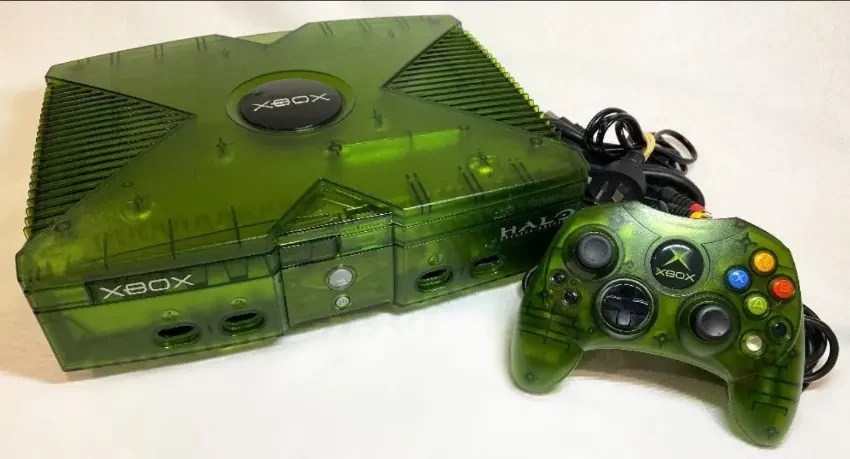
I’ve enjoyed other consoles and plenty of PC games along the way, but Xbox has remained part of how I identify as a player. There have also been times when I’ve been disappointed with it and the direction it was taking. That history is part of the picture too. I think the platform deserves thoughtful coverage, with room to recognize what it gets right and examine where it falls short.
There’s a practical reason for concentrating here as well. Right now, this is a publication run by one person. I’d like it to grow, but Xbox alone gives us plenty to cover. Focusing on one ecosystem gives us a manageable scope in which to do careful, substantial work.
What you’ll find here
SavePoint Codex covers games released on Xbox consoles and through the Xbox PC app, from first-party studios and third-party developers, alongside Game Pass and the industry developments that affect Xbox players. That includes older games as well as new releases.
You’ll find that coverage in four main formats:
- Reviews: Written and video reviews explaining our experience with a game, our evaluation, and the reasoning behind our verdict.
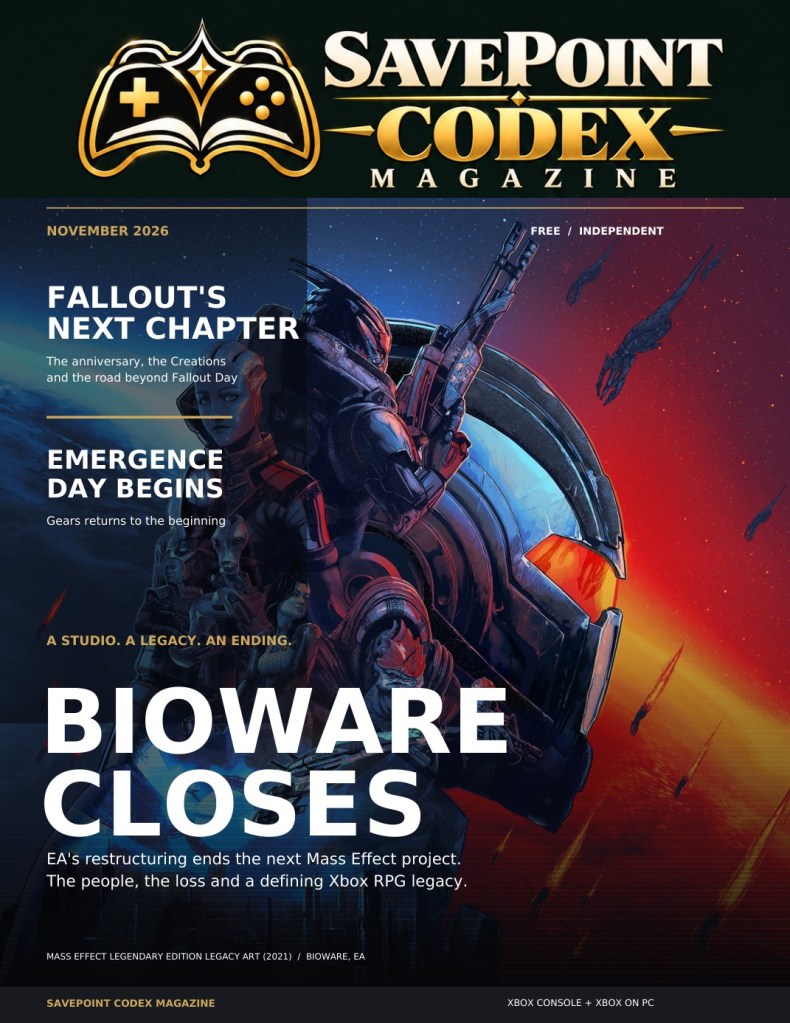
- SavePoint Codex Magazine: A free monthly PDF bringing together researched articles, features, and recurring departments covering the previous month.
- Editorials: Opinion and analysis about games, gaming culture, and the industry, with room to explore an argument in depth.
- Check Out: Factual introductions to Game Pass games, explaining what they are and how they play. Companion videos include an introduction and ten minutes of uninterrupted, representative early gameplay. These features help you explore a game without assigning it a review score.
Together, those formats give us different ways to approach games and the developments around them. The care behind the work should be consistent across all four.
The standards behind the work
A fair chance for each game
For me, a fair review starts with giving a game time. That means spending thoughtful time with its story, exploring its systems, and experiencing enough of what it offers to form a considered judgment. Having a review ready for launch day isn’t a priority. Giving the game a fair chance is.
I want to meet a game on its own terms: understand the experience it’s offering and assess how well it delivers that experience. Personal preferences will always play a part, but wishing a game were something else doesn’t tell readers much about the game in front of us.
To bring consistency to that process, I use an internal weighted scorecard. It breaks the assessment into specific areas, with notes and examples supporting my judgments. Applying the same framework across reviews helps me consider each game more thoroughly and keep my preferences in perspective. A review remains a subjective assessment; the scorecard brings structure and discipline to it.
Research matters too. Another reviewer might document a technical problem I never experienced, or identify a limitation through a different way of playing. That can still be relevant information. I’ll investigate those reports, consider the platform and version involved, credit the sources, and distinguish their findings from my own experience. Research can give me reason to reconsider something, while the final judgment remains my responsibility.
The published review should explain how I reached that judgment, with concrete examples and clear information about what I played, the conditions I played under, and any meaningful limitations. Whether you agree with the score or not, you should have enough context to understand it and decide what the game might offer you.
Following the evidence
That same care applies to our reporting. Accuracy comes before speed. We’ll take time to examine the available evidence, credit the reporting we draw on, and be clear about what we’ve established ourselves.
Deciding whether an unconfirmed story deserves coverage will always involve judgment. We’ll look at where it originated, how credible the information is, and whether we can find independent support for it. Several articles repeating a claim still lead back to that one claim. We need to follow those sources and understand what they actually establish.
A single unverifiable post generally won’t give us enough to publish a story. Significant attention may give us a reason to investigate further and look for better information.
Sometimes a widely discussed rumor may warrant explaining because people are encountering it. We’ll treat it as a rumor throughout the article: explain its origins, examine the evidence, and make the uncertainty clear. Any discussion of its plausibility or reasons for skepticism should be grounded in what we can support.
Newsworthy problems deserve coverage, and good news deserves scrutiny too. Our conclusions should follow the evidence. Editorials will be identified as opinion or analysis, with the factual basis checked and our interpretation distinguished from established information.
AI assistance and editorial responsibility
Producing this work takes time, and AI assistance is part of how we’re trying to make SavePoint Codex sustainable as a small publication. I use AI as a tool and an assistant for research, drafting, editing, and production.
My involvement includes developing ideas, writing, dictating my thoughts, and bringing my experiences and judgments to the work. I also remain responsible for what we publish: checking factual claims, assessing sources, making editorial decisions, and approving the final wording. The hope is that these tools can help us sustain careful work without the constant pressure to publish more and faster. Exploring how they can support that is part of the soft launch.
That transparency extends to relevant relationships. When coverage involves a review copy, sponsorship, affiliate link, or another material benefit, we’ll explain the relationship clearly in the affected content.
And when we make a material factual error, we’ll correct it and acknowledge the change. Taking responsibility for the work includes being willing to put it right.
Start with the first issue
Over the coming months, we’ll gradually build up the archive alongside the monthly magazine. We’re planning to introduce The Editor’s Desk in the December issue, with an editorial in the magazine and a separate one on the website each month.
There’s room for these plans to develop as we learn. We’ll keep refining the quality and the process, and let the work show us what we can sustain.
For now, I hope you’ll give our first magazine a read and stick around for what comes next. If you spend some time with an issue or an article, leave a comment on the website or find me on Twitter as @7BitBrian. Whether it’s something you enjoyed, a suggestion, or something that needs attention, I’d appreciate hearing what you think.
Thank you for taking the time to get to know SavePoint Codex. You’ve found us at the beginning, and I’m glad you’re here.


Leave a Reply